Fit and Well Logo

Our Policies About Us Contact Us

Home > Health > Vitamins & Supplements > Postbiotics

Postbiotics

The power of Inactivated Bacteria

By | Updated .

checked symbolFact Checked

Fact Checked

×

All the content published in our website is fact checked to validate its accuracy.
Visit our guidelines web page to learn more about our strict processes regarding how we review our content's sources: reliable and reputable journals, media websites, universities, colleges, organizations, and professionals.
Our articles are based on scientific evidence, and the references are included in its footnotes, which are clickable links to sound scientific papers.

First published: 01. Feb.2026

Overview

Postbiotics are chemical products and metabolic byproducts secreted by live bacteria, or released after a bacterium dies, including its remains.

Postbiotic compounds include enzymes, peptides, sugars and polysaccharides, cell-surface proteins, and organic acids.

As we will see in this article, they have many health benefits, including anti-obesity, anti-inflammatory, and antioxidant effects. They protect the gut barrier, modulate the immune system, and help lower body weight, cholesterol, and blood pressure.

In this Article (Index)

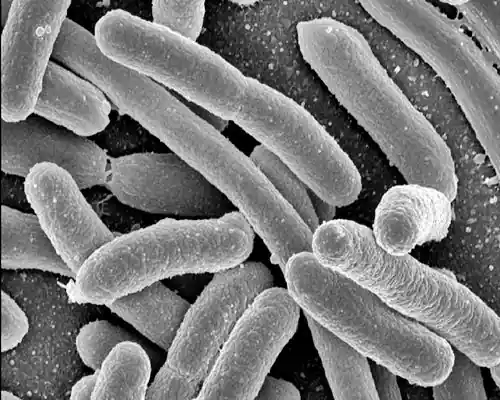
bacteria
Postbiotics are mon-viable (dead) microbes, their metabolites, and components. A. Whittall

What Are Postbiotics?

The name combines the Greek particle bios = "life", and the Latin word post = "after", or "after life".

The International Scientific Association of Probiotics and Prebiotics (ISAPP) defined them as "a preparation of inanimate microorganisms and/or their components that confers a health benefit on the host."

As mentioned above, in our summary, they are products released by bacteria, or those that make up the remains of dead bacteria, including proteins, sugars, polysaccharides, organic acids, enzymes, and metabolites.

People with compromised immune systems could benefit from probiotics, as they are not "viable" and contain dead, inactivated microbial cells. This also prevents risks of infection and excessive inflammatory responses to live bacteria.(5)

Take-home points

  • Postbiotics are made up of non-viable probiotic bacterial cells, as well as bacterial metabolites.
  • Postbiotics, alone or combined with probiotics, may provide health benefits.
  • The precise mechanism by which postbiotics act is still being studied.

Definitions: Prebiotics, Probiotics and Synbiotics

What are they?

We hear about different kinds of "biotics, but what exactly are they? What do these terms mean? Below are some definitions. (1)

Probiotics

The word combines the Latin term pro = "in favor of", "for" and the Greek term bios = "life". The Food and Agriculture Organization and World Health Organization (FAO-WHO) of the United Nations defined them as "live microorganisms, which when administered in adequate amounts, confer a health benefit on the host"

Examples are dairy products like kefir, yogurt, and traditional buttermilk, kimchi, sauerkraut, tempeh, miso, and kombucha. They usually contain Lactobacillus and Bifidobacterium species.

We have published several articles on the benefits of probiotics.

Probiotics and migraine

Probiotic effects of chocolate

probiotics for acne treatment

probiotics (yogurt) health benefits

Is honey a Probiotic?

Prebiotics

The word uses the Latin term prae = "before" combined with bios = "life". The current definition was updated in 2025 by the ISAPP, and it is the following: "a substrate that is selectively utilized by host microorganisms conferring a health benefit."

Prebiotics play a role in the composition of the gut microbiota and can stimulate the growth of beneficial species.

Prebiotics include dietary fiber, certain sugars found in human milk (human milk oligosaccharides), and plant chemicals (phytochemicals), among others.

We have published some articles reporting their health benefits:

Fiber a key prebiotic: Health Benefits

Fiber: a key prebiotic

Prebiotic properties of Honey

Synbiotics

Synbiotics are a combination of probiotics and prebiotics. They combine the benefits of both prebiotics and probiotics, and together provide "synergy" (hence the "syn-" suffix used to define them), which means that, combined, they produce a far better outcome than if taken separately. Synbiotics can promote intestinal health benefits, and the combo improves the survival of the live microbes contained in the probiotics.

Properties of Postbiotics

Below we list some of postbiotics' properties, which in turn play an important role in their health-protection activity.(4)

Antioxidants

Live bacteria (probiotics) exert antioxidant effects through different mechanisms: they chelate (capture and inactivate) reactive metal ions, they synthesize their own antioxidants, they boost the host's antioxidant output, and lower the activity of certain enzymes that release oxidants (reactive oxygen species or ROS).

Dead bacteria (postbiotics) also have antioxidant properties, though far lower than those displayed by probiotics.

An antioxidant postbiotic is β-glucan. It is a type of polysaccharide found in cell walls of yeasts and bacteria (and also in mushrooms, oats, barley, wheat, and sorghum).

EPS produced by gut bacteria as well as lipoteichoic acid (LTA) — a polymer that forms part of the cytoplasmic membrane of Gram-positive bacteria— and cell-surface proteins, are all postbiotics with antioxidative properties.

Immune response regulation

Dead bacteria contain some components and compounds that the host's immune system can recognize (the body's TLR -Toll Like Receptors- detect pathogens and launch the immune responses). Among these compounds, there are lipoproteins and LTA, which activate TLR2, and lipolysaccharide (LPS) activates TLR4. TLR5 is triggered by flagellin found in Gram-negative bacteria. Yeast cell walls contain many carbohydrates such as mannan, β-glucan and chitin, which activate the immune response.

Modulates the Gut Microbiota

Postbiotics modulate the microbiota by modifying its composition, diversity, and quantity. They contain antimicrobial compounds (bacteriocins and organic acids) that help manage pathogens. The organic acids that modify the gut's pH, which influences the bacteria that can develop there. Other compounds, such as B vitamins and SCFAs, promote the growth of other varieties of beneficial bacteria.

Maintains the gut's epithelial barrier

Different components found in postbiotics, like bacteriocins, LTA, SCFAs, proteins, etc., protect the gut's barrier and maintain it healthy.

Some Postbiotics

Exopolysaccharides (EPS)

Many bacteria, like the Bifidobacterium, synthesize EPS, which can be loosely attached to their extracellular surface or secreted into the surrounding environment. A well-known EPS is xanthan, used as a thickener.

Polysaccharides, named after the Greek word poly = "many", and the Latin word saccharum = "sugar", hence "many sugars." Are in fact polymers like plastics, where small units known as monomers (the sugars) are bound in a sequential linear or branched arrangement forming a polymer (the polysaccharide). They form the structure and serve as energy reserves of plants and microbes.

Different health benefits have been mentioned for EPS, such as antioxidant, antiulcer, heart-protective, and cholesterol-lowering effects, as well as antitumor properties.(1)(8)

Extracellular Vesicles (EVs)

As their name implies, they are small, fluid-filled organelles (like a cyst), outside of a cell. They are formed by two layers of fatty molecules (lipid bilayer). They contain and transport proteins, fats, phospholipids, sugars, nucleic acids, such as DNA and RNA. They help communicate microbes with each other and with their host. Studies in mice have shown that the EV from certain microbes, such as Akkermansia muciniphila, reduced gut barrier disruption, lowered insulin resistance, improved glucose tolerance, and induced weight loss.(9)

Interaction between Postbiotics and our Microbial Community

When bacteria ferment fiber and sugars, they excrete byproducts such as organic acids, which inhibit pathogens and are used by other microbes to produce Short-chain Fatty Acids or SCFAs.

SCFAs come in different varieties: acetate, propionate, and butyrate. They have anti-inflammatory activity and modulate immunity. Butyrate is used by a special cell that lines the surface of the large intestine, or colon, the colonocytes, which help maintain the body's fluid and electrolyte balance.

B-group Vitamins

Gut bacteria and B-group vitamins have a complex relationship. Some bacteria can synthesize different types of B vitamins and also consume them. The microbiome needs B vitamins to maintain its health, and sharing them in a symbiotic manner is critical. Some key microbes such as Bifidobacterium and Lactobacillus, synthesize Vitamin B12 and Vitamin B9 (folate).

EPS polymers can be fermented by certain bacteria living in our gut, which consume the sugar found in the carbohydrate polymers that make up EPS. This promotes variety and diversity in the gut microbiome.

Bacteriocins

Bacteria produce antimicrobial proteins that kill or inhibit other bacteria. This serves as a defense mechanism, as it eliminates competitors, targeting gram-positive and gram-negative bacteria without harming the producer.

Bacteriocins are also postbiotic compounds, and they may help neutralize pathogens.

Organic acids like lactic, acetic, propionic, butyric, caproic, citric, malic, and phenyllactic acids are found among postbiotic compounds. They all have bacteriostatic and bactericidal.(1)

Health Benefits

Postbiotics have health-modulating effects, even though they are not live microbes. The "microbial products" of postbiotics interact with our immune system and trigger anti-inflammatory reactions. The exact mechanism is not yet fully understood, but it involves an immunomodulation effect caused by different factors.(1)

Enhances immunity

Anti-allergic and anti-inflammatory properties. SCFAs reduce intestinal inflammation.(2)

Dead bacteria also proved effective against sore throats in children.(7)

A study(6) found that inactivated bacteria "significantly reduced the incidence rate of the common cold in elderly adults."

Improves and modulates gut microbiome

The organic acids and bacteriocins inhibit pathogens and combat gut dysbiosis (few beneficial bacteria, too many pathogens, and low bacterial diversity).(2)

Regulates metabolism

Reduces the impact of metabolic syndrome (obesity, high blood pressure, and cardiovascular disease).(2)

Improved levels of insulin, triglycerides, and C-Reactive Protein (a marker of inflammation and heart disease). (3)

Conclusion, Postbiotic supplementation demonstrates modest but clinically relevant benefits on insulin sensitivity, central adiposity, TG [Triglycerides], and systemic inflammation. These effects suggest a promising adjunctive role for postbiotics in metabolic health interventions, though further trials with standardized formulations and longer durations are warranted. Li S, Sohouli MH, Li Z., (2025). (3)

Weight Control

A 2025 study found that postbiotics reduced waist circumference by –1.47 cm (0.39 in.)(3)

Stronger Gut barrier

Combats leaky gut by protecting the mucosa that lines the gut, maintaining the intestinal barrier. In experiments with mice, the postbiotics improve the gut's epithelial barrier (the wall of the gut, which keeps out pathogens and toxins), preventing "leaky gut".(2)

Gatrointestinal disorders

Postbiotics can be used to treat constipation, diarrhea, abdominal pain, bloating, and cramping.(2)

A study(7) reported postbiotics were effective against diarrhea in children and relieve irritable bowel syndrome (IBS) symptoms.

References and Further Reading

(1) Wegh CAM, Geerlings SY, Knol J, Roeselers G, Belzer C., (2019). Postbiotics and Their Potential Applications in Early Life Nutrition and Beyond. Int J Mol Sci. 2019 Sep 20;20(19):4673. doi: 10.3390/ijms20194673. PMID: 31547172; PMCID: PMC6801921.

(2) China CDC, (2023). Things you need to know about postbiotics. chinacdc.cn | Updated: 2023-07-28. Accessed 01/Feb/2026

(3) Li S, Sohouli MH, Li Z., (2025). The effect of postbiotics supplementation on obesity and metabolic health: a systematic review and meta-analysis of randomized control trials. Nutr Metab (Lond). 2025 Nov 13;22(1):140. doi: 10.1186/s12986-025-01037-5. PMID: 41233893; PMCID: PMC12613684.

(4) Xinjie Zhao et al., (2024). Unlocking the power of postbiotics: A revolutionary approach to nutrition for humans and animals . Cell Metabolism. Vol 36:4, pp. 725-744. https://doi.org/10.1016/j.cmet.2024.03.004

(5) J.E. Aguilar-Toalá, et al., (2018). Postbiotics: An evolving term within the functional foods field. Trends in Food Science & TechnologyVol 75, May 2018, pp. 105-114. https://doi.org/10.1016/j.tifs.2018.03.009

(6) Shinkai S, Toba M, Saito T, et al., (2013). Immunoprotective effects of oral intake of heat-killed Lactobacillus pentosus strain b240 in elderly adults: a randomised, double-blind, placebo-controlled trial. British Journal of Nutrition. 2013;109(10):1856-1865. doi:10.1017/S0007114512003753

(7) Andresen, Viola et al., (2020). Heat-inactivated Bifidobacterium bifidum MIMBb75 (SYN-HI-001) in the treatment of irritable bowel syndrome: a multicentre, randomised, double-blind, placebo-controlled clinical trial. The Lancet Gastroenterology & Hepatology, Vol 5:7, pp. 658-666

(8) Wang K, Li W, Rui X, Chen X, Jiang M, Dong M., (2014). Characterization of a novel exopolysaccharide with antitumor activity from Lactobacillus plantarum 70810. Int J Biol Macromol. 2014 Feb;63:133-9. doi: 10.1016/j.ijbiomac.2013.10.036. Epub 2013 Nov 1. PMID: 24189393.

(9) Chelakkot, C., Choi, Y., Kim, DK. et al. (2018). Akkermansia muciniphila-derived extracellular vesicles influence gut permeability through the regulation of tight junctions. Exp Mol Med 50, e450 (2018). https://doi.org/10.1038/emm.2017.282

About this Article

Postbiotics, A. Whittall

©2026 Fit-and-Well.com. First Published: 01.Feb.2026. Update scheduled for 01.Feb.2029. https://www.fit-and-well.com/fitness/postbiotics.html

Tags: postbiotics, prebiotics, probiotics, synbiotics, immunity, microbiome, weight loss, gastrointestinal health, blood pressure, heart disease, cholesterol
More Articles: Read on

added sugars

Added Sugar

Added sugar: Fact Sheet and information. What is it? Why is it used? Its health risks. Intake guidelines, and more.

More...

woman measuring waist

More than 75% of US Adults are Obese

Health News (January 01, 2026). New study finds that more than 75% of adult Americans are Obese, higher than the 40% suggested by BMI criteria.

More...

choline

Choline protects against dementia & Alzheimer's disease

Health News (Jan 28, 2025). Study shows that dietary choline plays a role in protecting against dementia, cognitive decline, and Alzheimer’s disease.

More...

Health Advice and Advertisements Disclaimer

The material appearing on Fit-and-Well.com is for educational use only. It should not be used as a substitute for professional medical advice, diagnosis, or treatment.

We do not endorse products or services that are advertised on the web site. Advertisers and advertisements that appear on this website are served by a third party advertising company.

Share

Our Social Media

visit our Facebook click to send us an e-mail visit our blog follow us on Instagram

Policies

Terms & Conditions

Privacy Policy

Affiliate Disclosure

Advertisement Policy

Don't Sell my Personal Information

Cookie Policy

Publishing Ethics

Editorial Guidelines

Medical Disclaimer

About

About Us

Contact Us

Accessibility

Site Map

Patagonia Wellness
Liniers 440, B1602 Florida, Buenos Aires, Argentina

E-mail: info@fit-and-well.com

Copyright © 2018 - 2026 Patagonia Wellness. All rights reserved.

Fit and Well: Health, Fitness, Diet & Food information website
Our website is a reliable source of up-to-date, scientifically proven information on health, fitness, wellbeing, diet, food, and nutrition.
Our mission: Educate and inspire with reflective evidence-based reasoning. Information and News that you can trust.

Last updated V.1