Fit and Well Logo

Our Policies About Us Contact Us

Home > Health > Health News >
Health News: Genes Influence Lifespan More Than Thought (contributing 55% towards Longevity)

Genes Influence Lifespan More Than Thought (contributing 55% towards Longevity)

text reads HEALTH NEWS

Longevity is 55% Heritable

By | Updated .

checked symbolFact Checked

Fact Checked

×

All the content published in our website is fact checked to validate its accuracy.
Visit our guidelines web page to learn more about our strict processes regarding how we review our content's sources: reliable and reputable journals, media websites, universities, colleges, organizations, and professionals.
Our articles are based on scientific evidence, and the references are included in their footnotes, which are clickable links to sound scientific papers.

First published: February 03, 2026

Summary: Genes influence lifespan more than previously thought

A study by Ben Shenhar et al.(1) published on January 29, 2026, investigated the genetic component of longevity and found that roughly 55% of a person's lifespan may be due to heritability. Good genes, inherited from your parents, account for the largest part of lifespan.
DNA strand
Longevity is in your genes

The Key Role of Genetics in Lifespan

The contribution of genetics to lifespan (intrinsic mortality), and the influence of external, or extrinsic mortality (factors such as accidents, infectious diseases, lifestyle, the environment, and homicide) have been estimated in previous studies to range from 15 to 33% with a mean value of around 20 to 25%.

This would suggest that over 75% of the factors that affect longevity are extrinsic, and prompted influencers to promote biohacks, exercise, supplements, and drugs that would counteract these external factors and therefore extend longevity.

However, other research has shown that heritability is higher: studies with laboratory mice give values of 38 to 55%, and most traits in humans are heritable with values of around 49%. So why would lifespan heritability be so low?

The authors found that historic studies had used data from the 1700s and 1800s, when extrinsic factors played a prominent role in longevity. Nowadays, these factors are almost ten times lower than they were at that time.

This study analyzed identical twins, who share identical genes but, through external random factors, may die at different ages. Through the use of statistical tools, it managed to isolate the effects of intrinsic mortality and quantify them.

When extrinsic mortality is accounted for, estimates of heritability of life span due to intrinsic mortality rise to about 55%, more than doubling previous estimates. Ben Shenhar et al. 1).

The Extrinsic Factors

The paper also notes that roughly half of life-span variation is due to non-genetic factors. 45% of a longer life is due to outside influences: lifestyle (exercising, eating a balanced diet, alcohol, obesity, smoking, substance abuse, etc.), health care access, socioeconomic factors, and exposure to environmental hazards. Some of which can be modified.

The authors mention factors that can't be modified, such as intrinsic biological stochasticity, which means internal random variations in how the body's cells express genes, produce protein and carry on their metabolic reactions. These are independent of external influences and happen by chance, and can cause cancer and autoimmune disorders. Other factors that can't be modified are nonadditive genetic effects (these are the outcome of the combined effect of genes on a trait that is different to the sum of the individual parts, it is caused by dominance, and interaction between genes from different locations in one's genome, a process known as epistasis), and epigenetic changes (that modify the way genes are turned on or off, epigenetic errors can cause cancer).

Heritability of Cancer, Dementia and CVD

The study revealed that heritability varied, depending on the disease. Dementia and Cardiovascular disease had a higher heritability than cancer.

Cancer

Regardless of age, death due to cancer was roughly 30% inheritable.

Cardiovascular Disease

The heritability of CVD deaths was higher, around 50% for younger people, and falling to 9% at the age of 100.

Dementia

Dementia accounted for the highest heritability (approximately 73%) at the age of 80, but then halved to 40-50% in older individuals and 37% by age 100.

Closing Comments

This research is important because it highlights the significant effects of genes on lifespan, which should be addressed by future studies to identify the mechanisms by which these genes regulate aging and longevity.

However, it is important to remember that 45% of your lifespan depends on other factors, some of which can be modified to improve the odds of a longer life, such as lifestyle. Exercise, adequate diet, supplementation, and access to quality medical care can make the difference and add years to your life.

References and Further Reading

(1) Ben Shenhar et al. (2026). Heritability of intrinsic human life span is about 50% when confounding factors are addressed. Science 391:6784, 504-510. DOI:10.1126/science.adz1187

About this Article

Genes Influence Lifespan More Than Thought (contributing 55% towards Longevity), A. Whittall

©2019-2026 Fit-and-Well.com, 03 February. 2026. Update scheduled for 03 February. 2029. https://www.fit-and-well.com/health/genes-influence-human-lifespan-more-than-thought-Feb-02-2026.html

Tags: aging, lifespan, cancer, heart health, dementia, epigenetics, DNA

More Articles: Read on

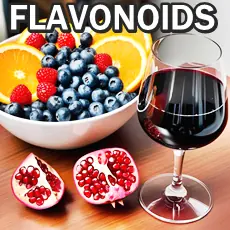
red wine, oranges, berries, pomegranate

Flavonoids can increase your Healthspan

Study shows that a diet rich in flavonoids from fruit, legumes, veggies, tea, and red wine can improve health in older people, increasing life quality and healthspan.

More...

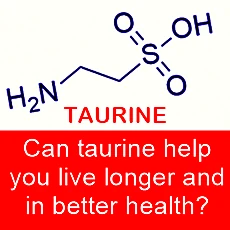
taurine

Taurine & a longer lifespan

Taurine can help you live longer and healthier, retarding aging and decline. Learn all about it, its dietary sources, benefits, and risks.

More...

couple walking hand in hand

Personality traits for a longer life

Study shows that being organized, active, lively, hard-working, helpful, and thorough is a key for a longer life & lower mortality risk.

More...

Health Advice and Advertisements Disclaimer

The material appearing on Fit-and-Well.com is for educational use only. It should not be used as a substitute for professional medical advice, diagnosis, or treatment.

We do not endorse products or services that are advertised on the web site. Advertisers and advertisements that appear on this website are served by a third party advertising company.

Share

Our Social Media

visit our Facebook click to send us an e-mail visit our blog follow us on Instagram

Policies

Terms & Conditions

Privacy Policy

Affiliate Disclosure

Advertisement Policy

Don't Sell my Personal Information

Cookie Policy

Publishing Ethics

Editorial Guidelines

Medical Disclaimer

About

About Us

Contact Us

Accessibility

Site Map

Patagonia Wellness
Liniers 440, B1602 Florida, Buenos Aires, Argentina

E-mail: info@fit-and-well.com

Copyright © 2018 - 2026 Patagonia Wellness. All rights reserved.

Fit and Well: Health, Fitness, Diet & Food information website
Our website is a reliable source of up-to-date, scientifically proven information on health, fitness, wellbeing, diet, food, and nutrition.
Our mission: Educate and inspire with reflective evidence-based reasoning. Information and News that you can trust.

Last updated V.1